PCD and bolt pattern
Confirm bolt pattern before discussing sample availability or catalog fit.
 WEUPWheelsGet Quote
Capabilities
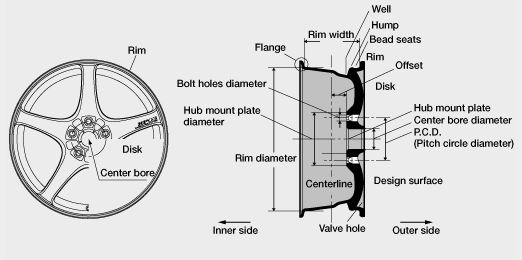
Fitment engineering turns a style request into a quote-ready wheel inquiry. Buyers should confirm vehicle application, PCD, center bore, offset, rim width, and finish before sampling.
Solution framework
This page should solve a common sourcing failure: buyers send a photo, but not the fitment data that determines whether the wheel can actually work.
Confirm bolt pattern before discussing sample availability or catalog fit.
ET and width affect stance, clearance, and buyer expectations.
CB matching helps avoid avoidable fitment confusion in export inquiries.
Validation points
A fitment-ready inquiry should include vehicle model, wheel diameter and width, PCD, center bore, offset, brake clearance, load expectation, finish, and quantity.
Confirm wheel size, rim width, PCD, center bore, offset, finish, and target quantity.
Popular 15-22 inch programs for passenger car, SUV, 4x4, truck, and performance demand.
Support catalog visuals, private-label caps, sample planning, packaging, and export communication.
Page blueprint
Capability pages should not compete with product pages; they answer technical objections and send the buyer back to a better quote path.
Identify the buyer's concern: process, fitment, quality, material, finish, design, MOQ, or timing.
Connect the proof point to a product or buyer route instead of leaving the page as generic factory content.
Ask for the exact data needed to validate feasibility, sample path, and commercial terms.
Request a quote
Include vehicle model, size, PCD, CB, ET, finish, and quantity for a faster response.